

Italian Language Course in Turin, Piedmont from March 1st – March 7th, 2026
Sunday, 1st March 2026: Individual arrival
Monday, 2nd March 2026:
 A total of 9 participants signed up for the language course organized by the UNJPT: 5 Germans via Eurojumelages and 4 French participants via UNJPT. At our school "Ciao Italia Scuola Leonardo da Vinci – Torino" the Jumeleurs and all new students from around the world were placed into courses according to the levels A1, A2, B1, B2, C1, and C2.
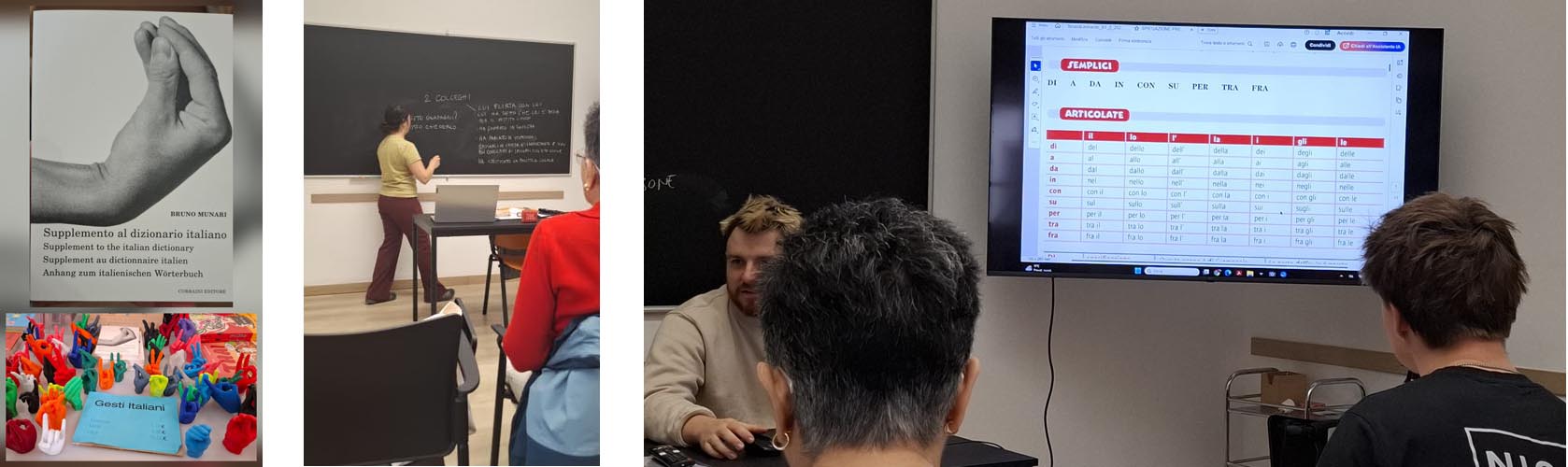
In my advanced course, everyone received a workbook containing texts and grammar exercises. The lively lessons took place every morning (a total of 20 lessons of 45 minutes each). The use of listening exercises and short films made the lessons entertaining. We learned a lot, including about Italian gestures, which originated in Naples.
Our first cultural excursion in the afternoon was a walking tour led by a Turin native, who took great pleasure in showing us her city. With a population of nearly 900,000, the Piedmontese city of Turin on the Po was originally laid out by the Romans and later developed by the House of Savoy into a magnificent Baroque residence city. At Piazza San Carlo, where our school is located, you will also find the churches of Santa Cristina and San Carlo Borromeo. They stand right next to each other, separated only by Via Roma. In the center of the square stands the equestrian statue of Emanuele Filiberto I. He made Turin the capital of the House of Savoy, turning it into a cultural and political hub.
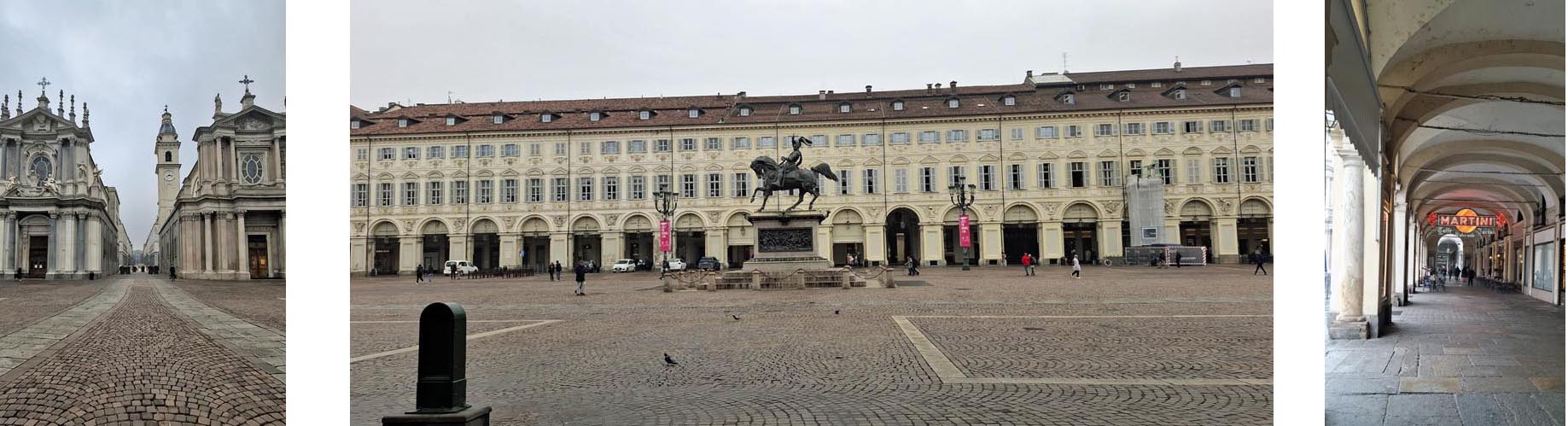
The beauty of the square is based on the harmonious symmetry of the Baroque facades, with wide arcaded walkways running underneath them (totaling 18 km in Turin). One of the many coffee houses, for example, the "Caffè San Carlo," is also located on the square. Among other things, they serve the typical Piedmontese coffee drink "Bicerin"—a layered beverage made of liquid chocolate, coffee, and frothed milk.
In the adjacent, elegant 'Galleria San Federico', we saw various shops and the historic 'Lux' cinema. Passing the Egyptian Museum, we reached the Biblioteca Reale, which houses approximately 200,000 valuable books as well as Leonardo da Vinci’s delicate self-portrait (a drawing on paper), which is not accessible to the public.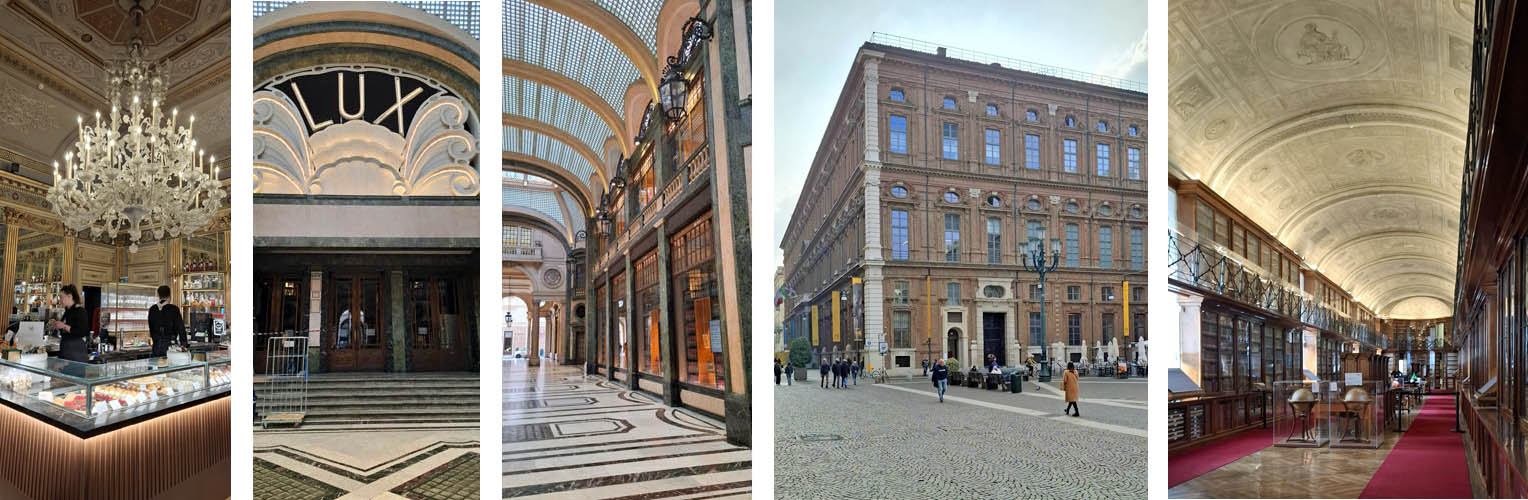
Tuesday, 3rd March 2026
In the afternoon, the program included a visit to the "Palazzo Reale," which was once built for Christine, a French princess who became Duchess of Savoy through marriage.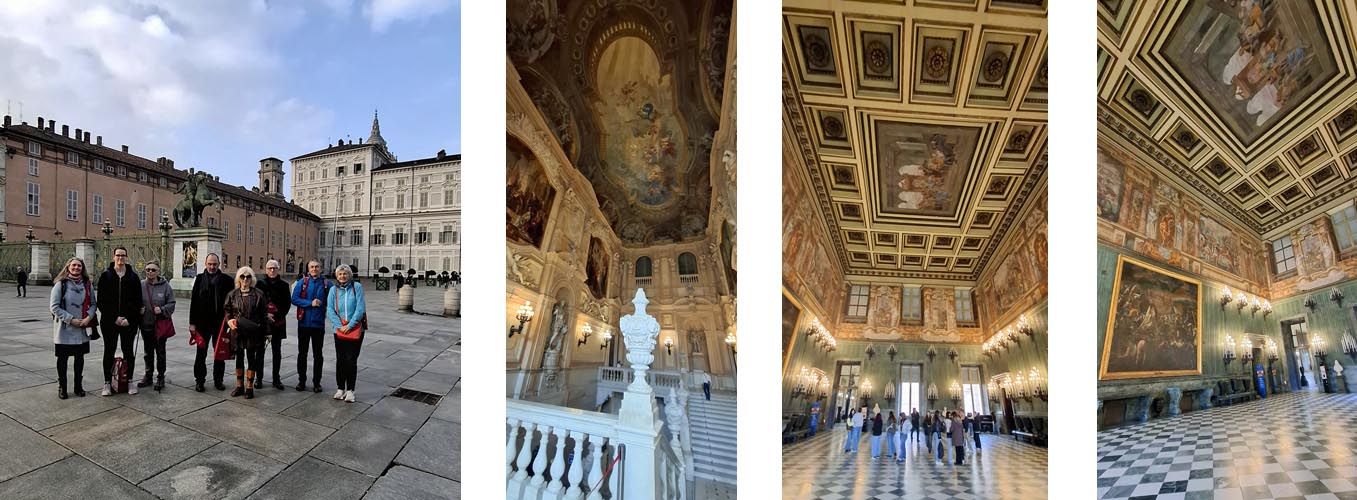
Of the tour through the various halls, the following are particularly noteworthy: The throne room, the historical weapon collection, the Hall of Mirrors with its mythological ceiling paintings (Apollo, Hercules, Iris), the dining room and the ballroom featuring 20 white marble columns.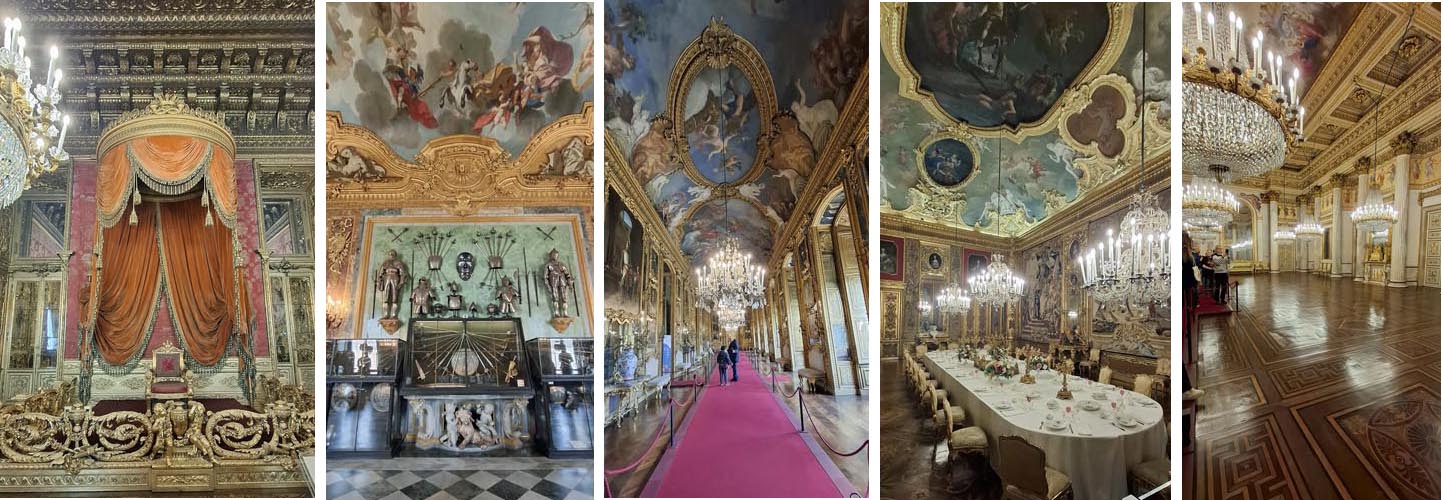
Wednesday, 4th March 2026
In the afternoon, we visited the national automobile museum, 'Museo Nazionale dell’Automobile“. It is one of the most important automobile museums in the world. The collection features over 200 original vehicles from 80 different brands, ranging from early designs (based on sketches by Leonardo da Vinci) to the prototypes of the future. The museum was founded in 1932 by Carlo Biscaretti di Ruffia and is located right on the banks of the Po River, near the Fiat factory in Lingotto.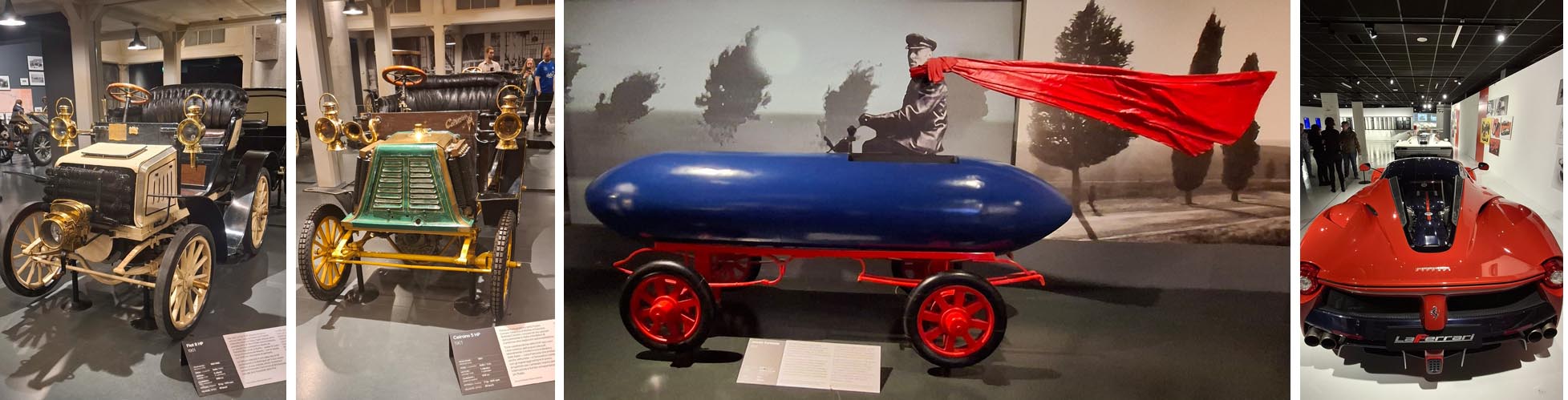
Thursday, 5th March 2026
A particularly special experience was the Merenda Sinoira at Trattoria Cerere. This is a culinary tradition from Piedmont—a lavish, cold snack in the afternoon served around 5:00 PM. It is so substantial that it usually takes the place of dinner. The literal translation is 'evening snack. Originally, it was eaten between 4:00 PM and 6:00 PM and was intended as a refreshment for farmers working in the fields.
There are Piedmontese specialties such as tomini (small fresh cheese) with pesto, cauliflower for dipping in bagna cauda (a warm sauce made of anchovies, garlic, and olive oil), vitello tonnato, agnolotti del plin (small pasta pouches, usually filled with meat), salami, and Castelmagno (a strong blue cheese). The wines include reds like Barolo and whites like Arneis. Additionally, grissini (breadsticks) were invented in Turin.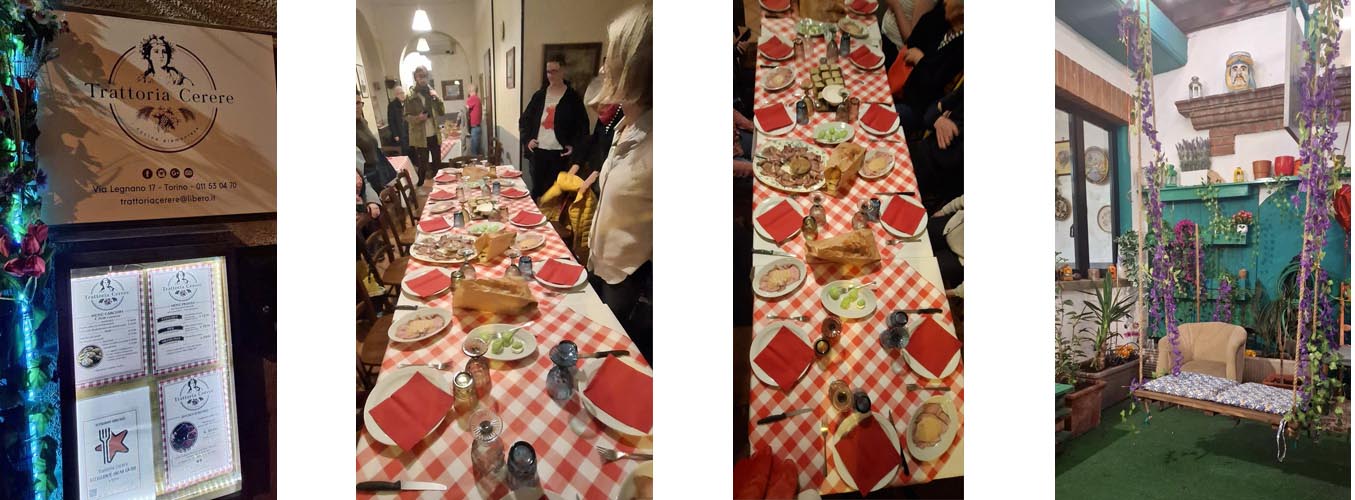
Friday, 6th March 2026
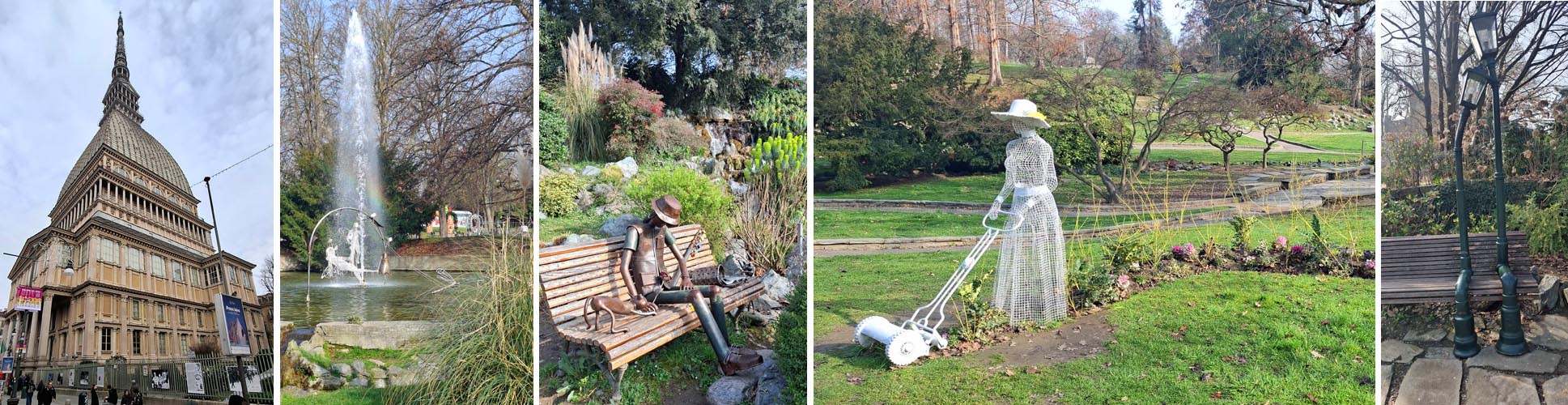
We finished our last afternoon in Turin by first visiting the Mole Antonelliana—the 167.5 m high landmark of the city, offering a wonderful view over Turin. The plans were designed by the architect Alessandro Antonelli, after whom the building was named. Originally intended to be a synagogue, it now houses the National Cinema Museum.
The Parco del Valentino was also visited, a charming little park along the left bank of the Po River in the San Salvario area, near Turin's historic old town. The castle located within the park served as a summer residence for the House of Savoy in the 17th century. The gardens are beautifully landscaped and invite visitors to linger.
Saturday, 7th March 2026
After breakfast, we went our separate ways and began our journey back to our home countries.
Corinna Bertram
association of Bonn
Germany
